Falling behind on property taxes can feel overwhelming, but you’re not alone. At Home Tax Solutions, we’ve helped thousands of Texas homeowners stop costly penalties, avoid foreclosure, and keep their homes where they belong. This FAQ was created to give you clear answers to the most common questions about property tax loans, from how they work to what to expect when you apply, so you can make informed decisions with confidence. Ready to take the next step? Check if you qualify or apply for a property tax loan today.
General Property Tax & Loan Questions
This section covers the basics of property taxes and tax loans in Texas. If you’re unsure how these loans work or why your property tax bill is so high, you’ll find clear answers to the most common questions here.
What is a property tax loan?
A property tax loan pays off your delinquent county taxes so you can avoid foreclosure. Once funded, the property tax lender pays the county directly and you make manageable monthly payments instead.
How do property tax loans work in Texas?
Property tax lenders pay your outstanding taxes to the county, stopping penalties and interest. You then repay the lender over time with fixed payments. Visit our blog post to learn more about how property tax loans work in Texas.
Why are Texas property taxes so high?
Texas doesn’t have a state income tax, which means local governments rely heavily on property taxes as their primary source of funding. These taxes support essential public services such as schools, roads, emergency response, and local infrastructure. As a result, homeowners often face higher property tax bills compared to many other states. The amount owed is based on your property’s assessed value and local tax rates, which can vary by city, county, and school district. To dive deeper into this topic, check out our blog post: “Why are Texas property taxes so high?”
When are property taxes due in Texas?
Property taxes are typically due on January 31 each year. Penalties and interest begin accruing on February 1 if unpaid.
How long can you go without paying property taxes before foreclosure?
In most Texas counties, properties can face foreclosure after about one year of unpaid property taxes. Once you miss the payment deadline, penalties and interest begin to build quickly, often reaching more than 40% within the first year of delinquency. If the balance remains unpaid, the county can initiate legal action that may ultimately lead to a tax foreclosure sale. To learn more about timelines and what to expect, visit our blog post: “How long can you go without paying property taxes before foreclosure?”
What happens if I don’t pay my Texas property taxes?
Unpaid taxes can lead to liens, lawsuits, and eventually foreclosure. Interest and penalties can exceed 40% in the first year.
How are property taxes calculated in Texas?
Texas property taxes are calculated by multiplying your property’s assessed value by your local tax rate, which varies by location.
What’s the difference between a property tax loan and a county payment plan?
County plans are often short-term and limited, while property tax loans offer more flexibility and faster approval.
Can a property tax loan help me avoid losing my home?
Yes. A property tax loan immediately pays off your taxes, stopping foreclosure and bringing your account current with the county.
Are property tax loans safe?
Yes. Property tax loans are regulated in Texas, and reputable lenders follow state guidelines to protect homeowners.
Qualifying & Property Tax Loan Options
This section explains what it takes to qualify for a property tax loan and the different options available to homeowners. You’ll learn how factors like credit, loan amount, and county eligibility work, so you can better understand your next steps.
Can I get a property tax loan with bad credit?
Yes. Because your property secures the loan, credit isn’t the main factor for approval.
How quickly can I get approved and pay off the county?
Many loans are approved and funded in just a few days. The lender pays your county directly to stop penalties and interest.
Can I get a loan for multiple years of unpaid taxes?
Yes, property tax loans can cover multiple years of unpaid taxes to bring your balance current.
How much can I borrow with a property tax loan?
Loan amounts depend on your property’s value and outstanding tax balance.
Do property tax loans affect my mortgage?
No. A property tax loan only pays your taxes and does not impact your existing mortgage.
Applying For A Property Tax Loan & Repayment
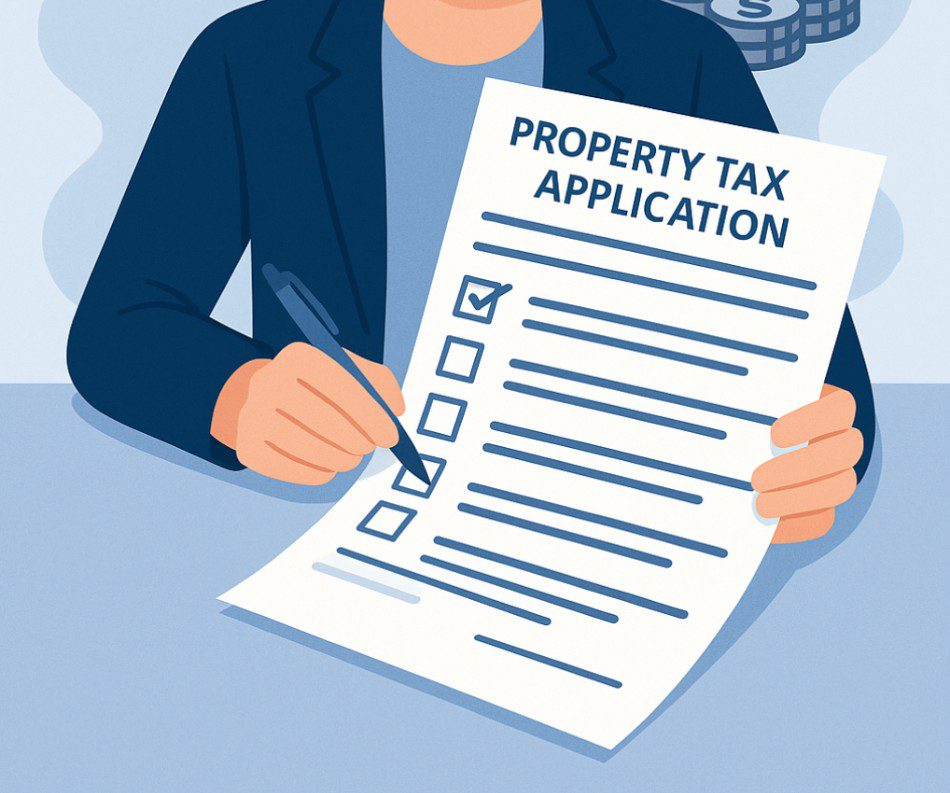
How do I apply for a property tax loan?
You can apply online in just minutes. The lender will handle the county payment after approval.
Is there an application fee?
No, there’s no upfront application fee.
What documents do I need to apply?
Typically, you’ll need proof of property ownership and an ID. Additional documents may be required depending on your situation.
Can I prepay my property tax loan?
Yes, you can pay off your loan early at any time without penalty.
What happens if I miss a payment?
Missing a payment may result in fees or additional interest, but many lenders work with borrowers to find solutions.
What is the interest rate on a property tax loan?
Interest rates vary based on loan amount and terms but are fixed and transparent.
How long does it take to close the loan?
Most loans are approved and closed within a few business days, depending on the county.
Still Have Questions?
We hope these FAQs help you better understand how property tax loans work and how they can protect your home. If you need more personalized guidance, our team is here to help. Contact us today to speak with a loan specialist and explore the best options for your situation.